



Fun Day Friday · AI & Work
Responsible about gravity
One minute you're standing on the ground. The next you're floating in space. Then you're underwater, chest tight.
One minute you're standing on the ground. The next you're floating in space. Then you're underwater, chest tight.
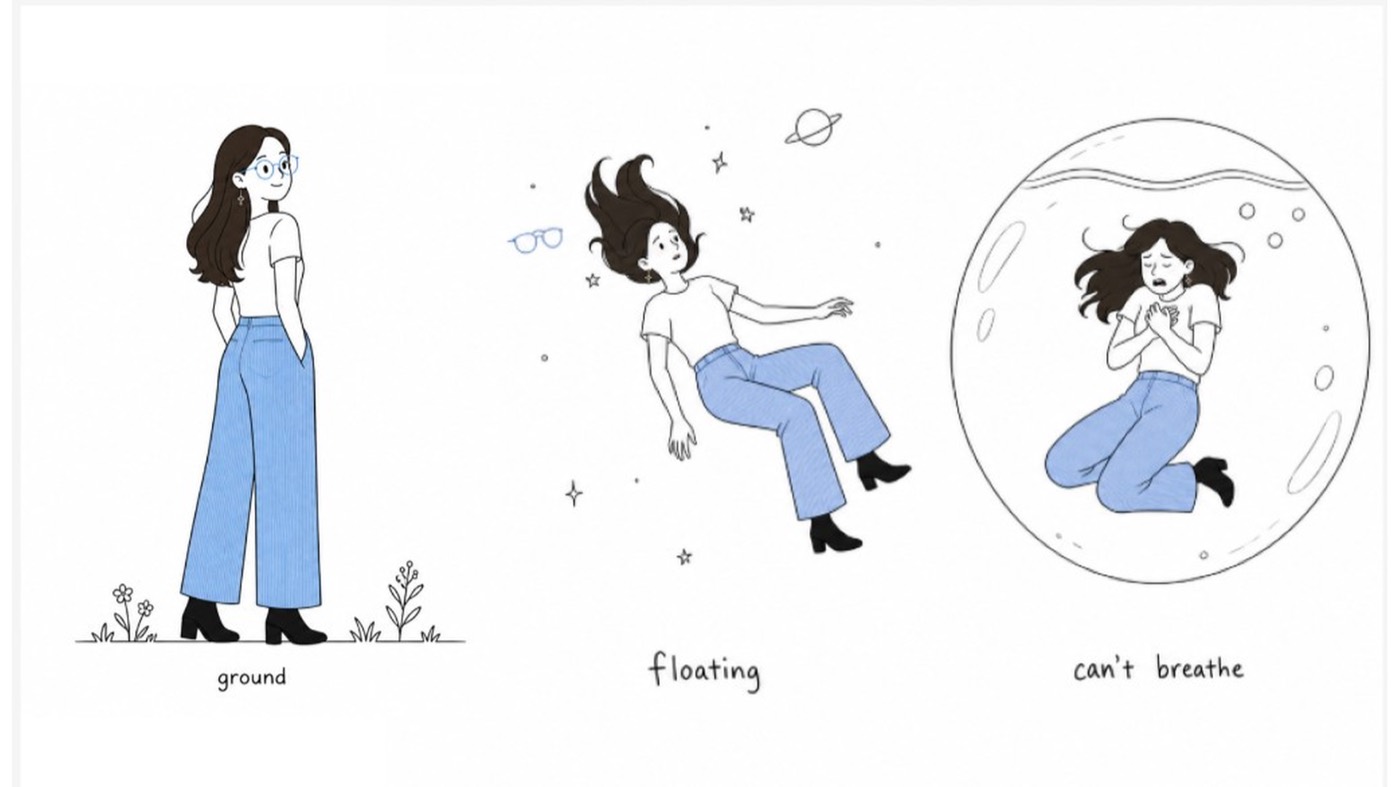
Did you ever feel like this? One minute you're standing on the ground. The next you're floating in space. And then you're underwater, chest tight, not sure how long you can hold your breath. That's how I feel about all the changes in AI. When it comes to designing a product with AI, we have to think about the gravity of changes to our users.
Cool in a demo reel. Exhausting to live in.
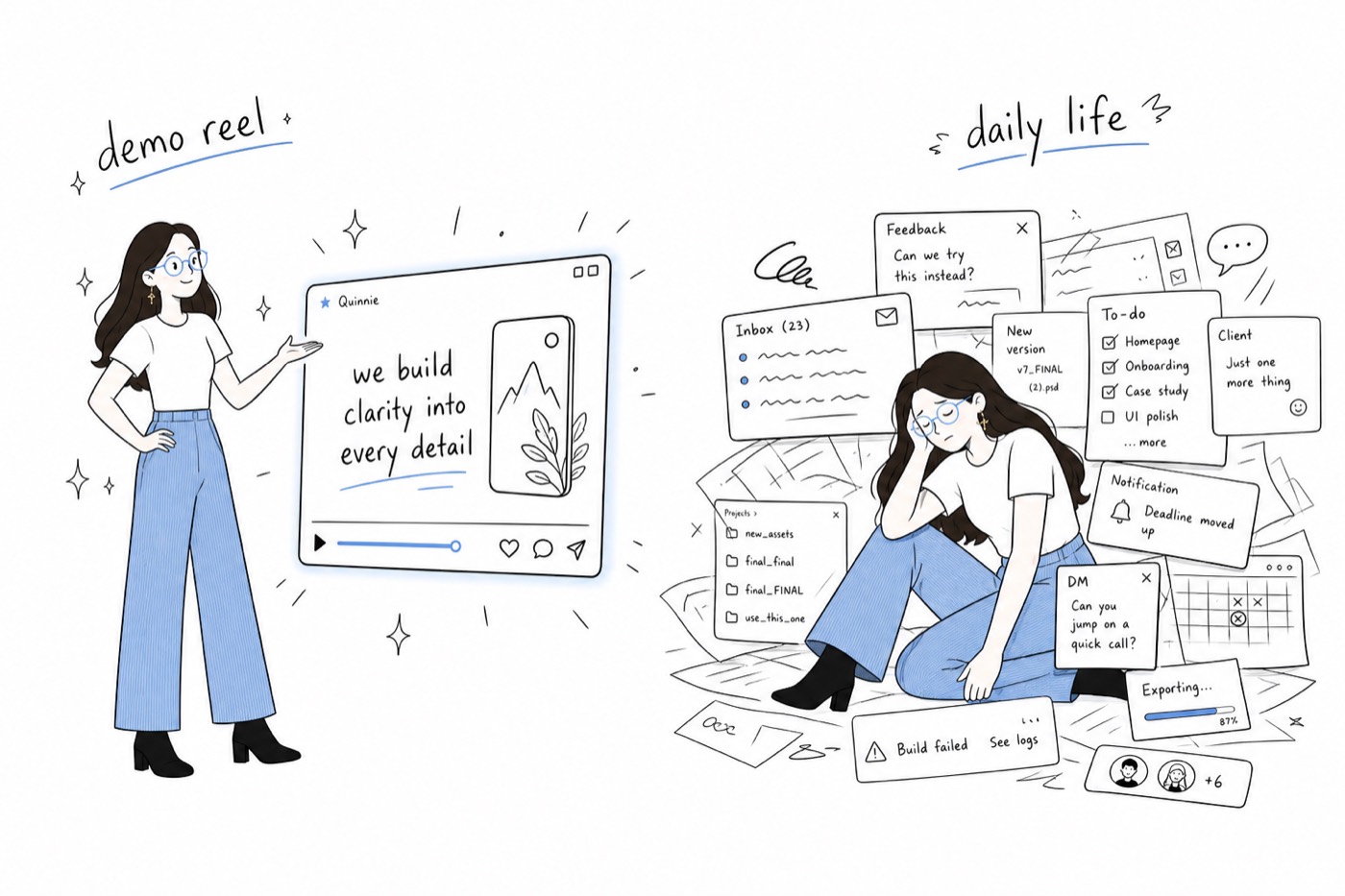
When we quickly pumped out a new AI feature, it feels cool in a demo reel, but all the constant changes are exhausting to live in as a user.
Every change looks small from the inside. It lands heavy on the outside.
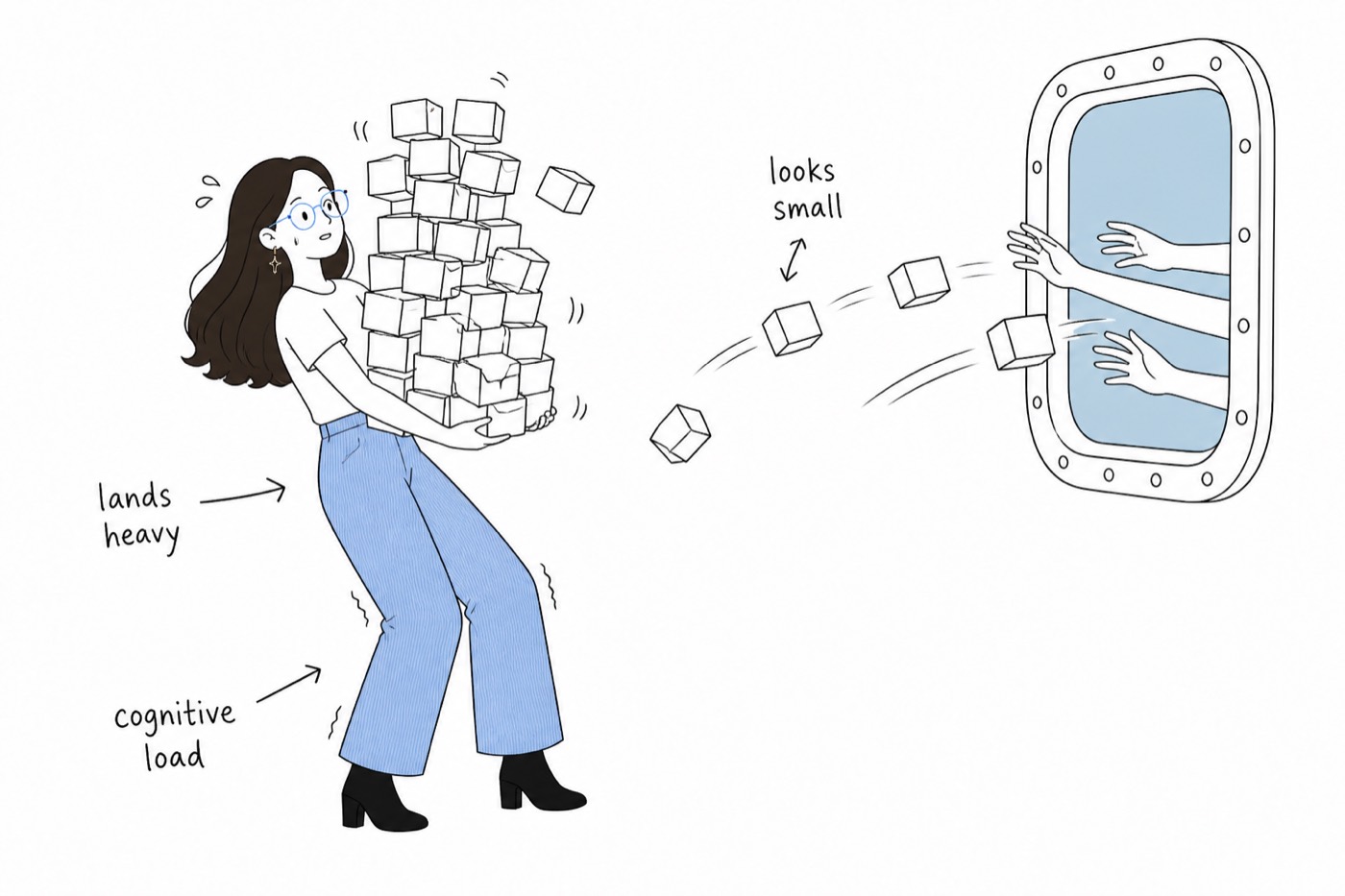
Today, we can ship features, redesigns, interaction changes faster than ever. And we celebrate the speed. But the user's nervous system doesn't celebrate. They have to recalibrate constantly, at a cost. That means we are adding cognitive load on every change that seems small from the inside, but lands heavy on the outside, to our users.
What do we owe the people on the other end of our ship cycle — and our colleagues absorbing change mid-build?
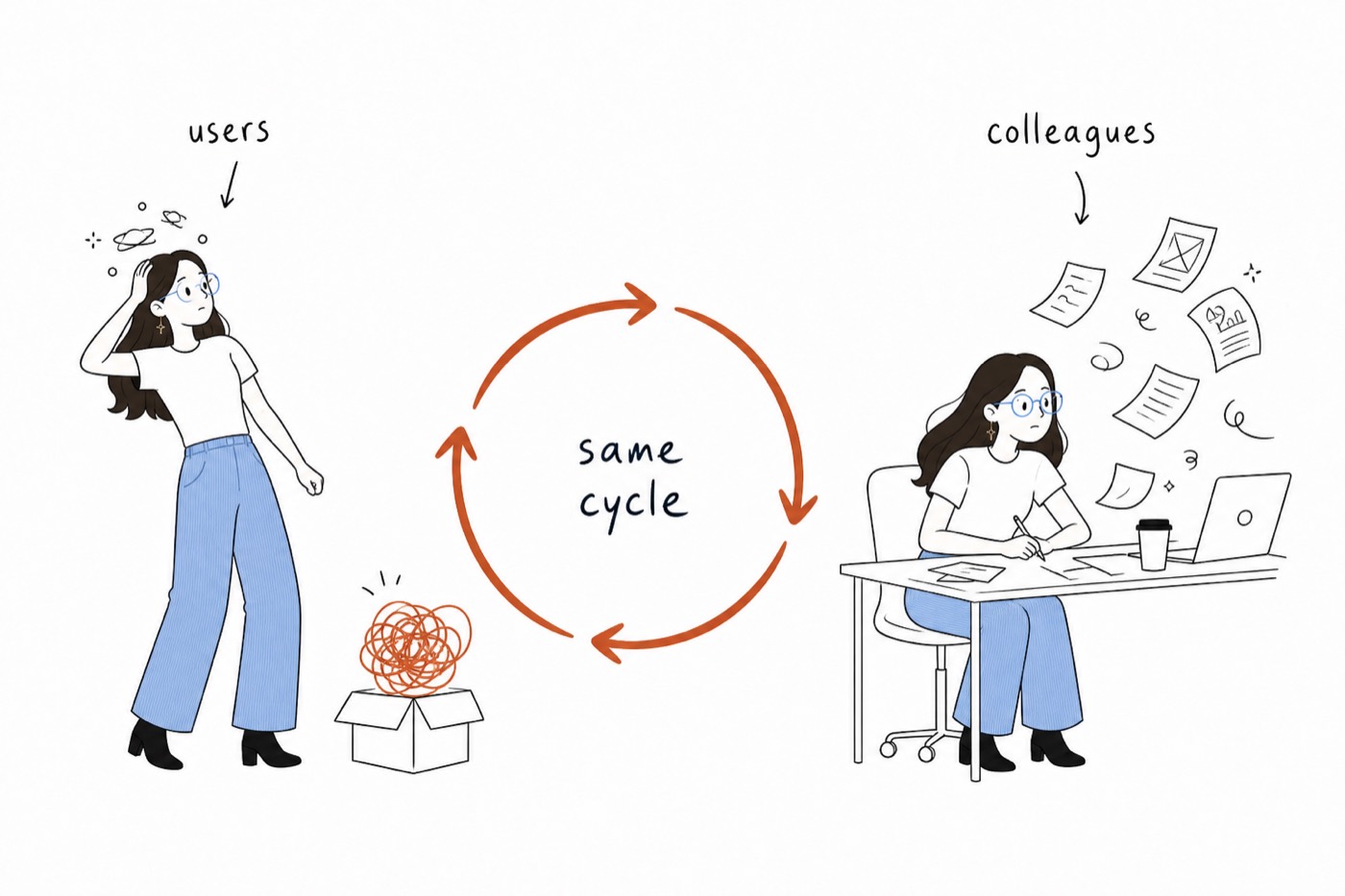
The question I keep on thinking is: what do we owe the people on the other end of our ship cycle? And what do we owe our colleagues, who are absorbing those changes mid-build, mid-project, mid-thought?
Ship with more consciousness — not slower, but more aware.
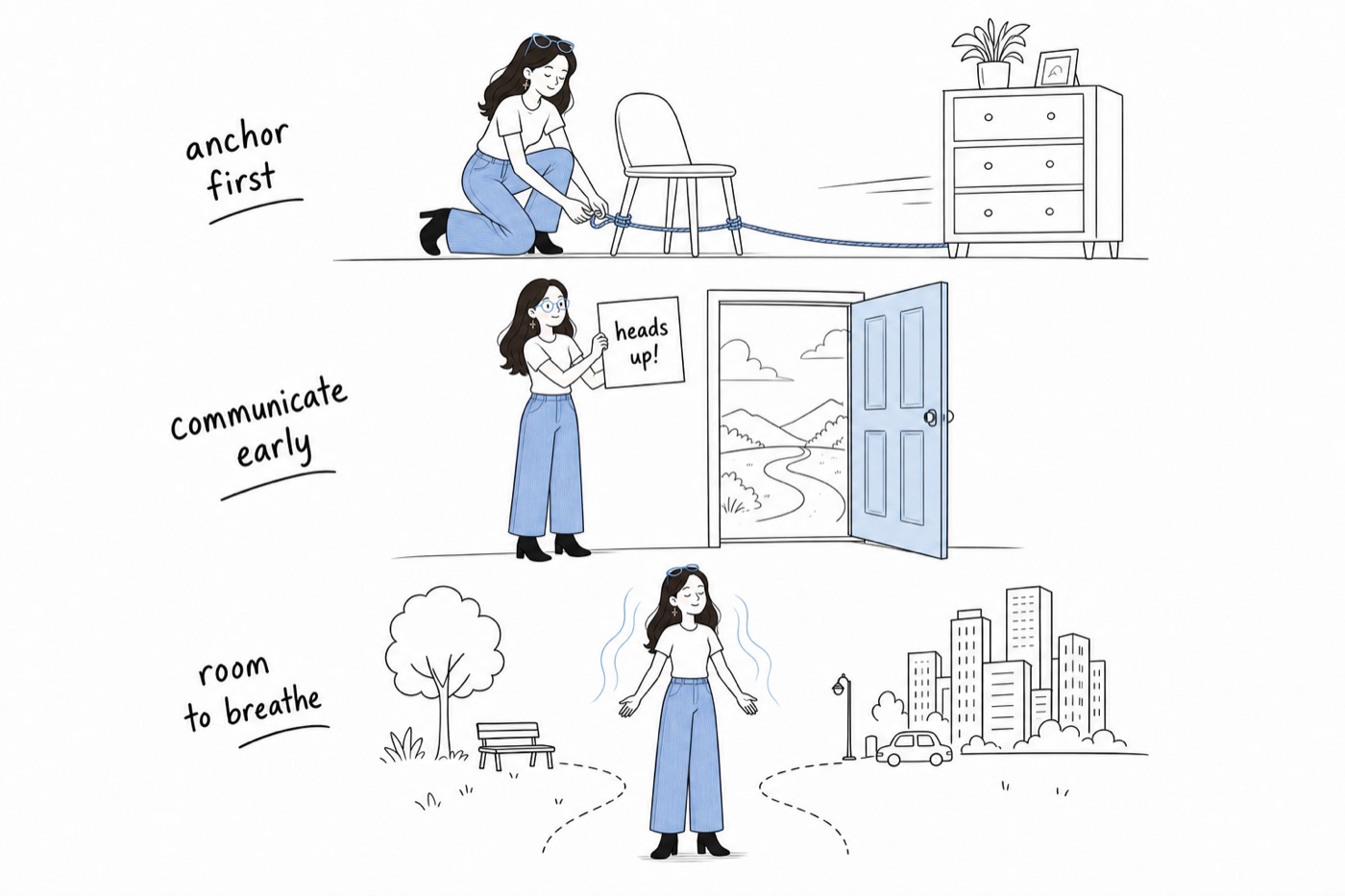
I don't think the answer is ship slower. I think it's ship with more consciousness. Anchor the changes to the familiar features users already use. Communicate the change before the user finds it. And let them breathe between changes.
We can move fast and still be responsible about gravity.